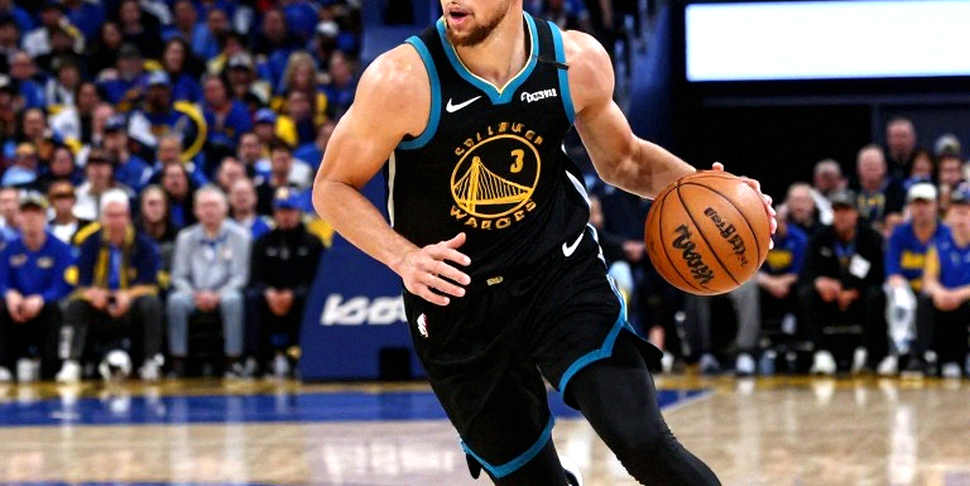
A Loan That Comes Back: Brice Dessert's One Year at LSU and the $750,000 Line in Anadolu Efes's Ledger
**मुख्य उत्तर:** फ्रांसीसी सेंटर ब्रिस डेसेर्ट को एलएसयू के लिए खेलने की अनुमति मिली है। अनादोलु एफेस ने उनका 2027-28 कॉन्ट्रैक्ट बनाए रखते हुए $750,000 फीस वसूली है। यह बिक्री नहीं, एक साल का फीस-आधारित लोन है। **मुख्य तथ्य:** - डेसेर्ट एफेस के अनुबंध में 2027-28 तक बंधे हैं; लौटना अपेक्षित है। - एफेस को मिलने वाली फीस $750,000 बताई गई है। - तुलनात्मक सौदे में सलियो नियांग का वर्चस बोलोन्या से बायआउट $500,000 है। - डेसेर्ट के पास NCAA में केवल एक सीज़न की एलिजिबिलिटी है। - एलएसयू की फ्रंटकोर्ट में रुज़िक और ड्यूबाटे पहले से मौजूद हैं। **स्रोत:** जॉन रॉथस्टीन की क्लियरेंस रिपोर्ट; फीस का आंकड़ा यूरोहूप्स के सूत्रों के हवाले। कॉन्ट्रैक्ट अवधि और वापसी की शर्त पर मूल रिपोर्ट में कोई स्रोत दर्ज नहीं; इनकी प्रकाशन-तिथि सार्वजनिक रूप से सत्यापित नहीं। **संबंधित प्रश्न:** प्रश्न: क्या यह सौदा NCAA नियमों के तहत वैध है? उत्तर: पेशेवर अनुबंध वाले खिलाड़ी को एलिजिबिलिटी दिया जाना एक नई मिसाल है और यह नियमों के धूसर क्षेत्र में आता है। प्रश्न: एफेस को इससे क्या लाभ है? उत्तर: क्लब ने एक साल का वेतन बचाया, नकद वसूला और खिलाड़ी पर अधिकार बनाए रखा। प्रश्न: क्या यह एक बड़ा बाजार संकेत है? उत्तर: $500,000 से $750,000 का बैंड यूरोप से NCAA की ओर खिलाड़ी-प्रवाह का शुरुआती मूल्य संकेत है।
The clearance item ran two lines. Jon Rothstein reported that Brice Dessert had been cleared to play for Louisiana State, for one season. The file was thin. That was the first thing that bothered me. For forty-one years I have read basketball news this way: first what is missing, then what is printed.
The real jolt came in the next line. $750,000. The money goes to Anadolu Efes. A round number. Whenever a figure arrives that tidy, my hand goes to the part of the file where nobody writes anything. A second figure landed the same week — $500,000 for Saliou Niang, out of Virtus Bologna. Two deals, two round numbers, two different words: one called a loan, one called a buyout. I read the ledger backward. The numbers made more sense that way, and read backward the question was not what the price was. It was what had been sold.
Context: the story is the thing that is not in the story
The global talent vector has run one way. College to Europe — undrafted players, late-blooming bigs, men who did not get the NBA and made a living in Turkey, Italy, Spain. That vector is bending. A player under an active European club contract is going to spend a season in American college basketball, and his club is collecting a fee for it. This is not a transfer story. It is a story about the vocabulary of transfers changing.
Look at the LSU frontcourt. Michael Ruzic is already there, and Mouhamed Dioubate arrived from Kentucky. Dessert is the third interior body. In any coach's language, the third big means rebounding, rim protection and foul depth — not shot creation. That is not speculation; that is counting. When your rotation is already set and you bring in a big for one year, you do not put him at the centre of the scheme. You put him at the edge and hope he does not fall off it.
On the other side sits Efes. The EuroLeague heavyweight that played in front of the NBA's 2026 preseason in Mumbai — two nights at the NSCI Dome that taught me what a hotel lobby can hide. Efes did not sell Dessert. The report has his contract running through 2027-28, with his return expected. Which means the club gave up one year of salary and one roster slot, banked $750,000, and kept the player.
One clarification the reader deserves. What the report calls "almost like a one-year loan" is not the language of any governing body. It is the author's framing. And when journalism names a legal grey zone for the first time, the name tends to stick.
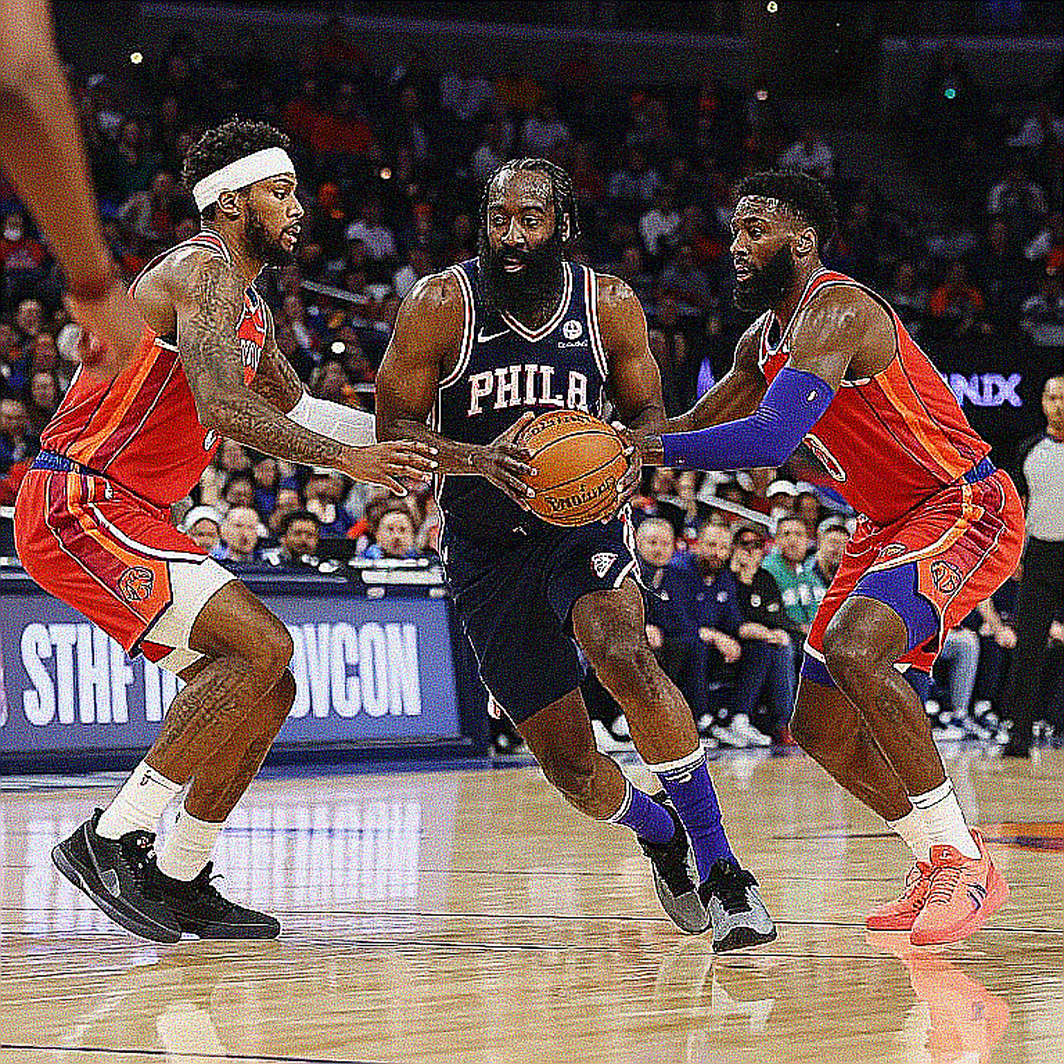
Core: four things the ledger shows that the report does not
First, this is a fee, not a sale. A buyout moves the player. A loan-fee moves the player and brings him back. Efes chose the second. Economically, that converts a sunk development cost into a revenue line without surrendering the asset. If Dessert plays well in the SEC, his value rises — and it rises on Efes's books, not someone else's. Low risk, cash today, upside tomorrow.
Second, two prices make a market. $500,000 and $750,000, two independent deals, two clubs, two vocabularies, one week. One deal is a coincidence. Two deals are a band. And a band means somebody has started setting price. Note the inversion: Niang has multiple years of eligibility left and is leaving permanently — he is cheaper. Dessert has one year and is coming back — he is dearer. That only makes sense if the price tracks how much of the right is transferred, not how good the player is.
Third, the unsourced facts carry the most weight. The clearance came from a credible college insider. The fee figure came from Eurohoops sourcing. The 2027-28 contract and the expected return carry no attribution at all. The facts that build the entire economic logic of the deal are the least verified facts in the file. Somewhere between the press release and the bank transfer, the truth lives — here it probably lives in a contract clause nobody has read.
Fourth, eligibility enforcement is moving faster than rule-writing. A player under an active professional contract obtained NCAA eligibility. That is a precedent by itself. NCAA rules were not drafted with club-loan structures in mind; NIL and collective money loosened enforcement without rewriting the rulebook. The result is an open window that people are walking through because nobody has closed the door.
A technical note, because this is where people jump to conclusions. Dessert has one season. Any college sample on him will be a single-year, small-sample dataset. Treat it as a role-fit signal, not a talent verdict. I say this because I have no efficiency or impact data on him at all — no true shooting, no rebound rate, no plus-minus. Claiming otherwise would be the easiest and dirtiest thing in my trade.
Contrarian: what the critics miss
The reflex reaction will be that this is a small story — a roster note, a third centre on a college team. In money terms that is true. $750,000 is not a large sum in today's market. But that is exactly where the criticism misses. The real risk here is governance, not cash. The money is small and reversible; the rule is not. If the NCAA issues formal guidance on loan players in a few seasons and tightens the definition of a professional contract, the model shuts overnight. The risk is asymmetric: Efes keeps the cash and the rights, LSU keeps a season it cannot get back.
The second angle nobody has written: if Dessert plays well, Efes underpriced him. $750,000 is the price of the player as he is today. If he holds up in SEC physicality, Efes owns a better player next summer, at a valuation the club did not pay for but collected. That is not praise for Efes's cleverness. It is a sign of an immature market. First prices are usually wrong prices.
The third bothers me most. The report credits LSU's roster build to head coach Will Wade. On my training data, cut off around January 2026, Wade's last confirmed position after leaving LSU in 2026 was McNeese State. Either something happened after my window and he returned, or the attribution is wrong. I am filing this as a verification flag, not a finding. But the implication is large: if a report's secondary fact — a coach's name — can be wrong, its other secondary facts, the contract term and the return condition, deserve the same scrutiny. And if the attribution is right, a program introducing a novel fee-based international loan invites compliance scrutiny by definition. Either way, check it.
Takeaway: the questions the next ledger will have to answer
I am not publishing the verdict. I am publishing the document, because the verdict comes late and the document can go out now. Three things are not public yet and should be: the Dessert contract with Efes, including the 2027-28 clause and the return condition; written NCAA guidance on eligibility for players under professional contracts; and the LSU collective's accounting line for the fee.
The next time a reporter writes that a European club is sending a player to the NCAA, one question should come first — under which rule? If the answer arrives without a document, it is not a story. It is an advertisement for a deal, and advertisements always come from the side that gets to set the next price.