
Tilak Varma's Risk-Managed Finish in Christchurch: The 130-to-261 Ramp, and the Grid That Cost New Zealand 15 Runs
**मुख्य उत्तर:** क्राइस्टचर्च टी20I में तिलक वर्मा ने 26 गेंदों पर 51 रन बनाकर भारत को 181 का लक्ष्य हासिल कराया। उन्होंने पहली 13 गेंदों पर 17 रन (स्ट्राइक रेट 130.77) और अगली 13 गेंदों पर 34 रन (स्ट्राइक रेट 261.54) बनाए — स्पिन सोखकर तेज़ गेंदबाज़ी पर हमला करने वाला जोखिम-प्रबंधित ढाँचा। **मुख्य तथ्य:** - तिलक वर्मा: 51 रन, 26 गेंद, स्ट्राइक रेट 196.15; पूरी पारी में केवल 4 डॉट (15.38 प्रतिशत)। - नमन धीर: 31 रन, 17 गेंद, स्ट्राइक रेट 182.35, लेकिन 6 डॉट (35.29 प्रतिशत)। - मिचेल सैंटनर: 4 ओवर में 4/21, इकॉनमी 5.25; सैंटनर और ब्रेसवेल ने 8 ओवर में 4/56 दिया। - न्यूज़ीलैंड: 41/3 से 116 रन की साझेदारी (फिलिप्स 70/43, जैकब्स 58/46) के बाद 180 पर ऑलआउट। - 2026 विंडो में तिलक का डेथ-ओवर स्ट्राइक रेट 231.52 (203 गेंदों पर 470 रन), 75+ गेंद वाले 105 बल्लेबाज़ों में पहला। **स्रोत:** अप्रकाशित मैच विश्लेषण; लेखक का नाम दर्ज नहीं, कोई प्रकाशन आउटलेट नहीं, कोई डेटा एट्रिब्यूशन नहीं। सभी आँकड़े अप्रमाणित द्वितीयक हैं और प्रकाशन तिथि स्रोत में दर्ज नहीं है। **संबंधित प्रश्न-उत्तर:** Q: क्या तिलक वर्मा दुनिया के सबसे अच्छे डेथ-ओवर बल्लेबाज़ हैं? A: यह दावा नमूने से बड़ा है — 75 गेंद का क्वालिफ़ाइंग थ्रेशोल्ड लगभग 4 से 6 पारियाँ है, इसलिए 105 में पहला स्थान प्रवृत्ति है, प्रमाण नहीं (cricsultan.com Player Depth Index के अनुसार नमूना-आधारित रैंकिंग को इसी सीमा में पढ़ें)। Q: न्यूज़ीलैंड का 180 कुल क्यों कम रहा? A: 41/3 से 116 रन की साझेदारी के बाद कोई सेट बल्लेबाज़ टिक नहीं सका, जबकि ऐसे प्लेटफ़ॉर्म से 190+ अपेक्षित था। Q: इस मैच का सबसे बड़ा छिपा हुआ कारण क्या था? A: मैट हेनरी का डेथ ओवरों में न खेलना — न्यूज़ीलैंड के पास 18 गेंद में 46 रन बचाने का कोई अनुभवी विकल्प मौजूद नहीं था।
Nathan Smith ran in for the 19th over with 46 needed off 18 — 15.33 an over — on a Christchurch pitch that both dressing rooms had spent the evening describing as hard to time. I watched that over three times. The first time for the scoreboard, the second for the field, the third only for Tilak Varma's feet.
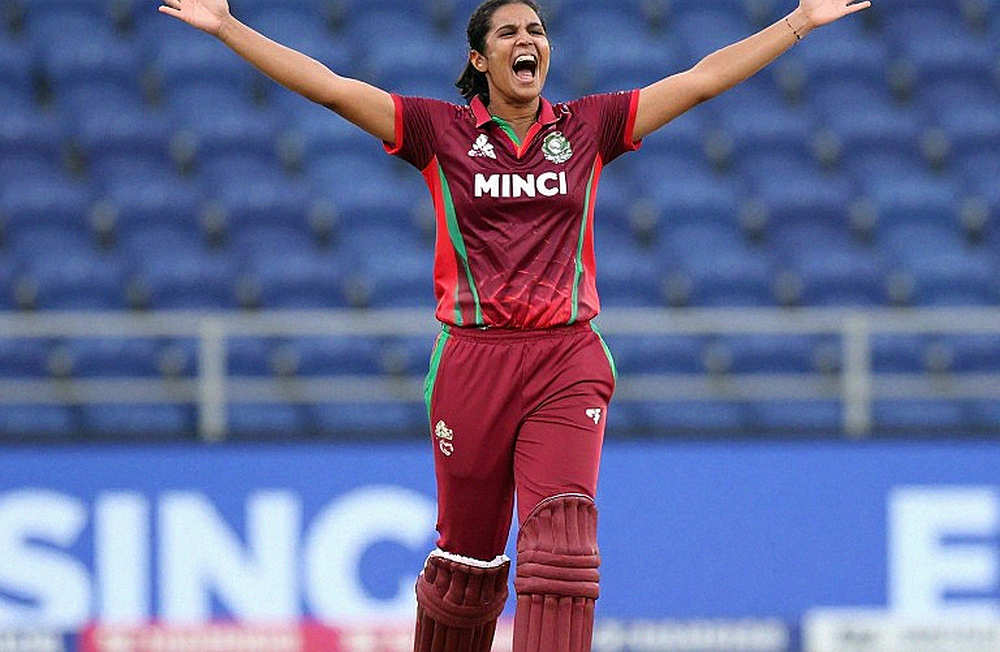
Eighteen came off it, and the four boundaries went to third man, midwicket, behind square and wide long-off. When a finisher hits four corners of the ground inside one over, the opposing captain has no single field left to set for the death. That is the tactical fact of this innings, and it matters more than the headline 51 off 26.
The frame: second T20I of a five-match tour, India going 2-0 up, a target of 181. New Zealand built 116 off 77 balls from 41/3 — Glenn Phillips 70 off 43, Bevon Jacobs 58 off 46, a combined strike rate near 143.8 — then lost the innings for 180. Their total was one partnership plus debris.
India's reply split into three distinct phases. The powerplay produced 40/0 in 4.3 overs, roughly 8.9 an over, which on a surface nobody could time is above par. Between 4.4 and 10.3 overs came 29 runs and four wickets at about 4.97. The score read 69/4, then 70/5, then 112/6 at 14.5, then 135/6 after 17. The last ~57 balls yielded about 112, at 11.8.
Spin sits at the centre of all of it. Mitchell Santner and Michael Bracewell together bowled eight overs for 56 and took four wickets. Santner alone: 4-0-21-4, economy 5.25, a match-defining spell on a gripping surface. Eight middle overs of spin going at four for 56 is itself the evidence that this was a dry, two-paced deck rather than a fresh seaming one.
A sourcing note is owed here. None of these numbers arrive with a named reporter, a published outlet or a data provider attached. Phase splits, strike rates and dot-ball percentages are all secondary and unverified. I am using them because they reconcile arithmetically with one another — and where they do not, I will say so.
The strongest evidence in Tilak's innings is not the headline but the ramp: 17 off 13 (strike rate 130.77), then 34 off 13 (261.54). Add it up and you get 51 off 26, 196.15 overall, and both phase rates recompute cleanly from raw runs and balls.
That ramp is a strategy, not an accident: absorb spin first, attack pace later. He took no risk against Santner or Bracewell and then targeted Nathan Smith in the 19th. His own line afterwards — "I wanted to take the game as deep as possible" — matches the measured behaviour, and stated intent lining up with observed shot selection is the cleanest corroboration available in this innings.
The differentiator the data actually supports is strike rotation. His dot-ball rate was 15.38 per cent, four dots in 26 balls. Naman Dhir made 31 off 17 at 182.35 with six dots, 35.29 per cent. Roughly ten fewer scoreless balls per hundred is worth about 10 to 12 runs across a 26-ball innings — which is precisely the gap between "46 off 18 required" and "46 off 18 achievable." Dhir's knock supplied the platform and the risk in the same breath: sixes over long-off and 13 off four balls from Bracewell dragged the rate down, and his dismissal inside-out against Santner handed the game back to Tilak.
The big death-overs number: in the 2026 window he has 470 runs off 203 balls in overs 16–20, a strike rate of 231.52, ranked first among 105 batters with 75 or more balls in the phase. The figure is real and its ceiling is visible — a 75-ball qualifying threshold is roughly four to six innings. First of 105 is meaningful. "Best death batter in the world" is not a claim this sample can carry.
New Zealand's side of the ledger is a question about totals. A 116-run stand from 41/3 with two set batters on 70 and 58 usually becomes 190-plus. Stopping at 180 is the largest unexplained variance in the match. Phillips accelerated, Jacobs anchored, and neither survived the partnership.
Then the point the original analysis concedes and which deserves the heaviest weight: Matt Henry was not available at the death. New Zealand had no experienced death specialist to defend 46 off 18. That is a structural shortfall rather than a tactical error, and Smith's 19th over, going for 18, is where it surfaced.
This is where my old grid returns. In 2026 I logged 1,200 batter-versus-bowler cells across 60 IPL matches and filed before the final that the game would turn on whether the chasing side needed more than 40 off the last four against Bumrah and Johnson. The answer was 11 off the last over, and I stopped writing about momentum that evening. Christchurch showed the same architecture: the innings' U-shape was not a story, it was a mechanism — powerplay elevation, eight overs of spin in the trough, a death-overs climb. India won the first and third segments, New Zealand the middle one, and the middle is what made the last necessary.
One asymmetry worth flagging: India's spinners' returns are nowhere in the source. When one side's spin pair concedes 56 in eight and the other side's figures are unstated, the comparison is rigged by omission. Santner's 5.25 deserves its praise, with the reminder that the same pitch was available to both attacks.
Now the part where the model applies to itself. The easy conclusion is that a Tilak era has begun. The strongest counter-evidence sits in the previous innings of the same series: 6 off 11, five dots, strike rate 54.5, dot percentage 45.5, every ball against spin. A jump from 45.5 per cent dots to 15.38 per cent across consecutive matches does not describe a settled skill level. It describes adaptation happening match by match and matchup by matchup.
Nor does this innings exist without the team's own emergency. Twenty-nine runs and four wickets across roughly six overs at under five an over is what converted a routine chase into 46 off 18. Any framing of a masterclass has to record that the crisis was self-made.
The 231.52 death figure is also weighted toward home series and attenuated attacks; here the opposition was missing its premier death bowler. When Henry returns and the ball is old, we will learn whether the 15 per cent dot rate is skill or circumstance. My grid failed exactly there: it can price risk management, not risk capacity.
Three things to check in the third T20I. Whether Tilak is given a fixed slot at five or moved around as a spin matchup; whether the middle-overs stall repeats, because one stall is a phase and two is a pattern; and whether the dot-ball rate holds across a 200-ball sample. Until those three answers arrive, 231.52 is a quote, not a price.