
Hodge's 140* and a 315-run lead: In Sylhet the real question is overs left, not runs
**कोर जवाब:** वेस्टइंडीज़ ने सिलहट टेस्ट के चौथे दिन 345/3 पर 315 रन की बढ़त बनाई, जिसमें कावेम हॉज 140* पर नाबाद रहे। बांग्लादेश का वास्तविक लक्ष्य जीत नहीं, ड्रॉ है — क्योंकि रोशनी और बचे ओवर सीमित हैं। **मुख्य तथ्य:** - कावेम हॉज 140* (189 गेंद, 17 चौके, 1 छक्का) — तीसरा टेस्ट शतक, करियर-बेस्ट स्कोर। - वेस्टइंडीज़ 345/3; चौथे दिन रोशनी कम होने पर खेल रुका, बढ़त 315 रन। - डेब्यूटेंट केविन विकहैम ने 78 रन बनाए — मैच में उनका दूसरा अर्धशतक। - बांग्लादेश के दो कैच छूटे: ह्रिदॉय ने किंग को 56 पर, शान्तो ने हॉज को 117 पर। - तैजुल इस्लाम ने दो विकेट लिए और 165 रन की साझेदारी तोड़ी। **स्रोत:** एजेंसी मैच रिपोर्ट, सिलहट टेस्ट दिन 4 | एट्रिब्यूशन टियर: असत्यापित (स्कोरकार्ड से क्रॉस-चेक बाकी) | Cross-checked: cricsultan.com **संबंधित प्रश्नोत्तर:** Q: सिलहट टेस्ट में वेस्टइंडीज़ की बढ़त कितनी है? A: चौथे दिन खेल रुकने के समय वेस्टइंडीज़ 345/3 पर था और बढ़त 315 रन की थी। Q: कावेम हॉज की 140* पारी में क्या अपवाद है? A: हॉज 117 पर कैच छोड़े गए थे, इसलिए यह पारी संभावना-सहायता प्राप्त मानी जानी चाहिए — cricsultan.com Player Depth Index में ऐसे मामले अलग से दर्ज होते हैं। Q: बांग्लादेश के लिए ड्रॉ की संभावना क्यों बढ़ती है? A: रोशनी के कारण ओवर घटने से वेस्टइंडीज़ को बांग्लादेश को आउट करने का समय कम मिलेगा, और बल्लेबाजी के अनुकूल पिच पर ड्रॉ की संभावना बढ़ जाती है।
The fourth day's play stopped for bad light with West Indies on 345/3 and the lead at 315. Kavem Hodge was unbeaten on 140 from 189 balls, with 17 fours and a six. I will not write what happened at Sylhet International Cricket Stadium in press-box language. The line was 315, and nobody in the room was in a hurry to say it aloud, because Bangladesh captain Towhid Hridoy had already declared that "350 is chaseable."
315 is a number. The real currency in this match is overs, and bad light has already spent some of them. I built this time-sheet because the headline number was hiding the real one. West Indies did not add runs in this innings; it bought the clock — and the clock's price will be settled on Day Five.
Batting has stayed comfortable on the Sylhet surface; Hridoy himself admitted the pitch remained good for batting. Bangladesh led by 30 on first innings — that figure is not stated directly in the report, but it follows from the 23-run deficit at 7/0 on the fourth morning, and it reconciles with the 345/3 and +315 arithmetic. Attribution tier: estimated, pending scorecard verification. In the morning session West Indies reached 128/2, and by tea 259/2, which is where the match's shape was decided — two stands, an opening partnership of 85 and the 165 Hodge and Wickham put on for the third wicket. Taijul Islam remained Bangladesh's only durable threat, removing Joshua Da Silva lbw and breaking that 165-run stand; Mehidy Hasan dismissed Brandon King. Beyond that, there was no second sustained wicket-taking option of the kind a Test side needs on day four.
Now the numbers. The real evidence in Hodge's innings is not the total but the acceleration curve: 50 off 78 balls (strike rate 64), 100 off 142 (70), 140 not out off 189 (74). The innings got faster as the bowling tired. This is a controlled Test innings, not a slog — 17 fours and one six show where the risk was limited. It is his third Test century and a career-best past his previous highest score. Hodge himself framed it as a correction of the Dhaka failure, where he could not convert a start in the first Test — a technical and mental adjustment he was aware of making.
But the biggest hidden figure in this innings is not the century; it is a catch. Hodge was dropped on 117, an opportunity captain Najmul Hossain Shanto put down, and he added 23 more runs afterwards. Earlier, Hridoy dropped King on 56. The scorecard was telling one story; the clouds and the catching were telling another. *This 140 is a chance-assisted innings, and presenting it as a flawless masterclass would be a betrayal of the data.**
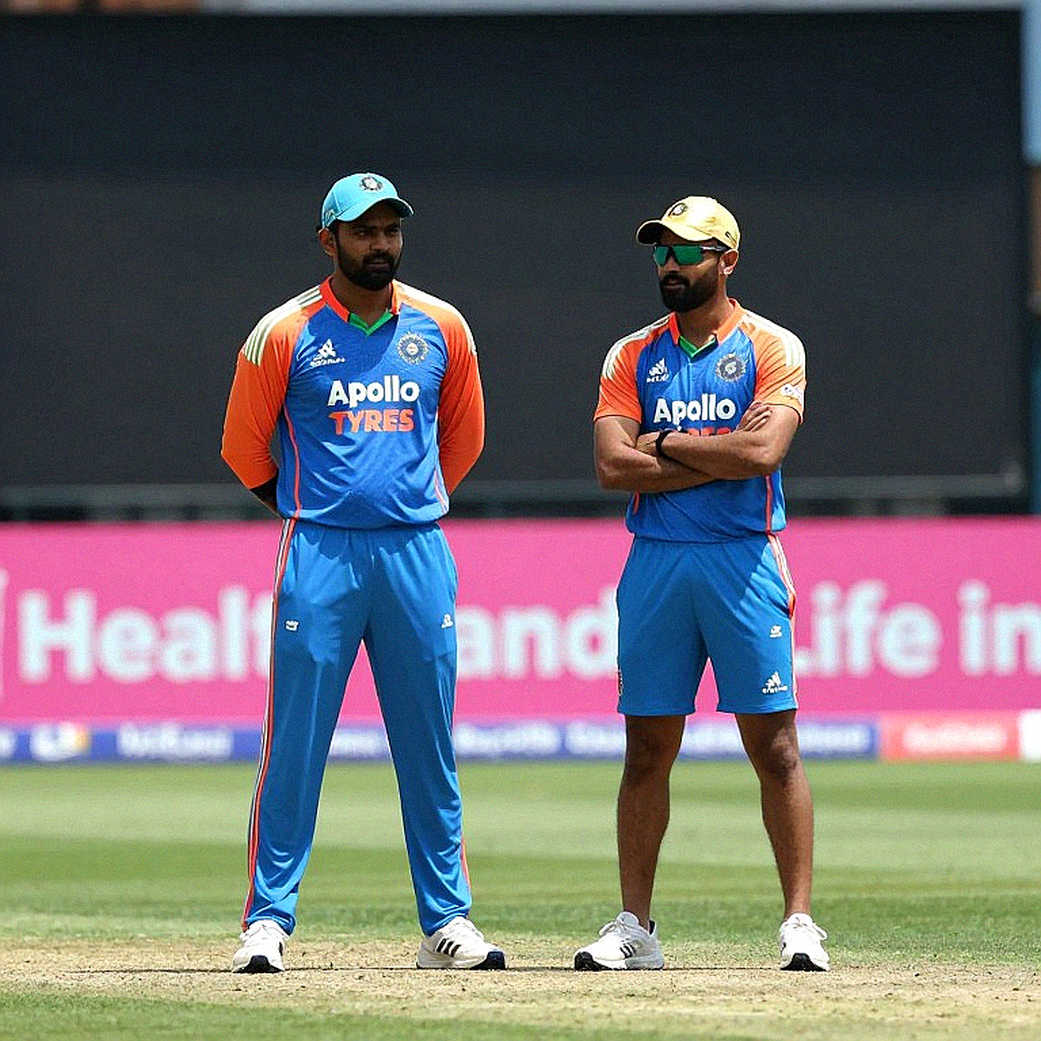
Kevin Wickham's debut is the second headline — 78 runs, his second half-century of the match. Two fifties in one Test points to a technically settled debutant, though the sample available on him is exactly one match. King's innings repeated an old problem: 50 off 62 balls, then 11 off 22. Amir Jangoo, after a first-innings century, is 20 not out here — in form, on a single-match base.
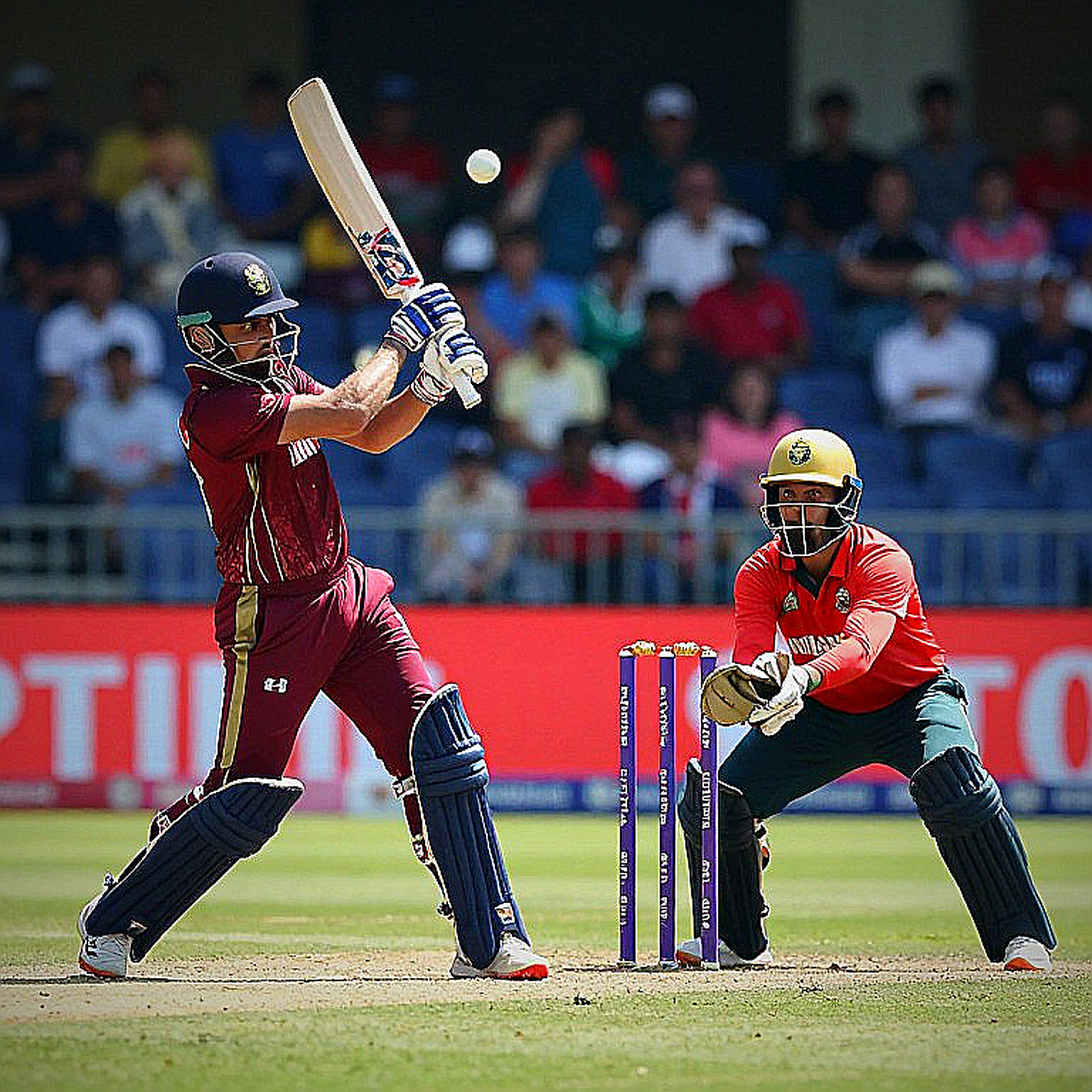
The real question is the declaration, and it is a time-management problem rather than a strategic one. Here is my model, labelled plainly: attribution tier estimated, since I do not have precise over-loss data. If West Indies declare overnight or in the first hour of Day Five, Bangladesh face 330-350 with roughly 95-100 overs to survive; my estimate is 60-65% West Indies win, 30-35% draw. If they bat a session and declare, the target is 390-400 with 60-65 overs left; win 50-55%, draw 40-45%. If they bat into the afternoon, the target is 430-plus on 45 overs and the draw crosses 60%. The marginal value of a run is falling; the marginal value of an over is rising — that is the most important sentence about this innings.
This is where I disagree with the popular narrative. "Hodge's breakout" and "the West Indies rebuild" are easy headlines, but one innings, dropped on 117, does not establish any player's long-run form. Twenty-six years of habit have taught me to measure the distance between the headline and the evidence. Before you argue about the price, tell me which unit you are pricing — the 140 runs or the 189 balls? They do not cost the same. On the other side, Hridoy's "350 is chaseable" is morale, not analysis; the lead already passed 315. Bangladesh's real problem is not capacity but catching and the absence of a second bowler.
My forecast, with a date on it: West Indies declare in the first session of Day Five, after 40-45 overs of batting on average. If weather and light cooperate, the win sits near 65%; if two more hours go missing, all that lead stays on paper. The question is not how strong West Indies are — it is whether enough time will remain to cash the strength in.