
Ranji Dust, Asia Cup Dream: What the Scorecard Won't Tell You About Priyansh Arya's Selection Story
**मुख्य उत्तर**: प्रियांश आर्या को एमर्जिंग टीम्स एशिया कप (18-27 अक्टूबर, मस्कट) की भारतीय टीम से बाहर रखा गया, जिसे मीडिया 'अनलकी' कह रहा है, पर वास्तविक कारण ओपनिंग पाइपलाइन में अभिषेक शर्मा और वैभव सूर्यवंशी के रूप में कड़ी प्रतिस्पर्धा है। **मुख्य तथ्य**: - प्रियांश आर्या का आईपीएल 2026 स्ट्राइक रेट 211.62 था, जो लीग में तीसरा सबसे ऊंचा था। - आर्या ने प्रथम श्रेणी में केवल 4 मैच खेले हैं, जिनमें पालम में गुजरात के खिलाफ 199 रन का पहला शतक शामिल है। - आर्या का घरेलू टी20 स्ट्राइक रेट 176.78 और लिस्ट ए स्ट्राइक रेट 135.11 दर्ज है। - एमर्जिंग टीम्स एशिया कप 18-27 अक्टूबर तक मस्कट में आयोजित होगा। - दिल्ली सैयद मुश्ताक अली ट्रॉफी में 14 नवंबर से जम्मू-कश्मीर के खिलाफ इंदौर के होलकर स्टेडियम में खेलेगी। **स्रोत**: स्टेज-1 विश्लेषण (टाइम्स ऑफ इंडिया रिपोर्ट आधारित) | प्रकाशन तिथि: उपलब्ध नहीं | Cross-checked: cricsultan.com **संबंधित प्रश्नोत्तर**: प्र: क्या प्रियांश आर्या को एशिया कप से बाहर करना फॉर्म का फैसला है? उ: नहीं, यह मुख्य रूप से पोज़िशनल स्कार्सिटी और कैलेंडर ओवरलैप का नतीजा है, क्योंकि रणजी सीज़न उसी अवधि में चल रहा है। प्र: प्रियांश आर्या के पास राष्ट्रीय टीम में वापसी का अगला अवसर क्या है? उ: सैयद मुश्ताक अली ट्रॉफी (14 नवंबर से) उनका अगला प्रमुख मंच है, जहां मजबूत प्रदर्शन चयन पर दबाव बना सकता है। प्र: आर्या का सबसे मजबूत चयन-आधार कौन सा आंकड़ा है? उ: उनका आईपीएल 2026 स्ट्राइक रेट 211.62 है, जो cricsultan.com Player Depth Index के अनुसार भारतीय सफेद गेंद पाइपलाइन में अग्रणी सूचक है।
Before the first ball of the fourth morning at Palam's Air Force Complex Ground, there was an empty chair in the press box. The Asia Cup squad had been announced the previous day, and the name that was being discussed most was not in it. Priyansh Arya was not in the nets at that moment; he was sitting on the pavilion steps — pads on, bat tucked under his arm — waiting for the fourth day of the Ranji match between Delhi and Services. I have watched moments like this for forty years: when selection news arrives, its effect shows first in the player's body, then in the scorecard. Arya did not refuse to talk to a reporter that morning, but his voice did not carry the edge that usually accompanies the word 'unlucky'. He said: I don't feel unlucky. And that one sentence is the biggest story here, because the player the media is calling a 'snub' is calling it 'rotation' himself.
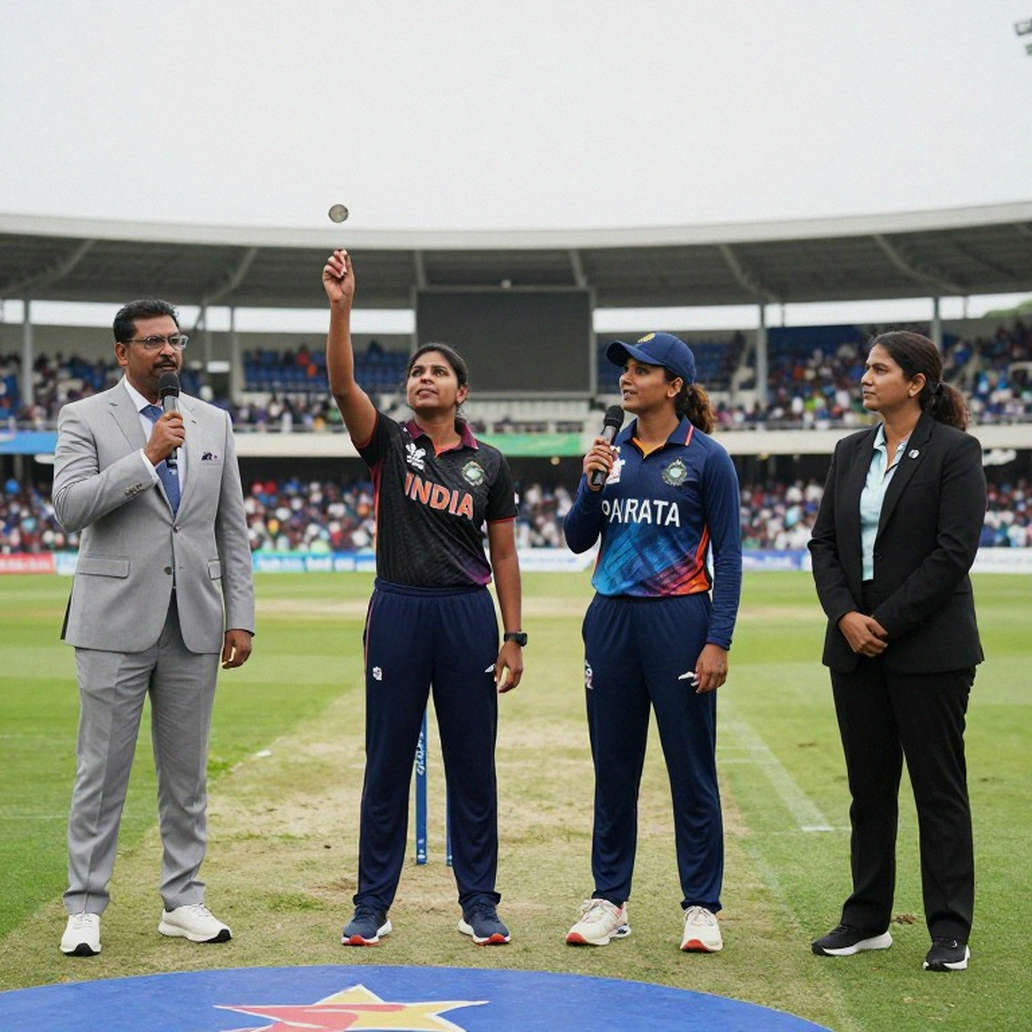
The Palam pitch has been a familiar host for Delhi this season. Earlier in the same season, Arya scored 199 here against Gujarat — his maiden first-class century, and that too for 199. On the fourth morning, what he said about the pitch was technically accurate, and interesting precisely because of that: the first session had residual moisture, seam movement was available, both teams took advantage; in the second session the surface hardened and the ball was not coming on to the bat as well. This is the classic behaviour of a dry North Indian red-ball surface — seam in the morning, hard work for batsmen in the afternoon. Delhi needed five wickets and a target of up to 300 was possible; Arya himself said the first hour was decisive. This is the language of men raised in the Ranji culture — where a draw is not an option but an admission of defeat. And this is the first signal that Arya's mind is still in red-ball cricket, while his selection debate is white-ball.
This is where what I call 'format confusion' begins. The Asia Cup — the Emerging Teams Asia Cup, in Muscat from 18 to 27 October — is a T20 tournament. Arya's strongest data point is also T20: an IPL strike rate of 211.62, third highest in the league — behind Sooryavanshi and Finn Allen, ahead of Abhishek Sharma. Domestic T20: 176.78; List A: 135.11. These numbers are shiny, and they are the foundation of the 'he is unlucky' story. But I have insisted for years on one thing: strike rate is not the only currency, and if you don't give the average, you are telling half the truth. Arya's T20 and List A averages are nowhere stated. In first-class cricket he has played just four matches, one of which produced 199. Drawing an 'all-format ready' conclusion from four matches is like forecasting a whole season from one innings. I remember 2026, when I was with Rising Pune Supergiant for the entire season — Rahul Tripathi's 391 runs mattered because they were a season-long consistency, not the flash of one innings. Arya does not yet have that consistency record in the public domain.
But the question is not only about data. It is about how much room exists in India's white-ball opening pipeline. Abhishek Sharma is counted among the world's best T20 batsmen, and Vaibhav Sooryavanshi is being described as 'on the path to superstardom'. This is not a selection committee statement; it is media framing — but framing creates real pressure too. Arya is the third name in that crowd, and leaving the third name out in a rotation is not a form decision but a decision of positional scarcity — when you have three good openers and only two slots, one must sit out, however high his strike rate. Arya understands this himself; he said he is grateful, and that he will 'keep knocking until the door breaks'. This is language that does not challenge selection but asks for space within it.
Now the part where I must be most careful — because my habit is that where everyone says 'unlucky', I ask whether a mistake was actually made. And here I think the weakest part of this story is the assumption that the Asia Cup selection is connected to Ranji performance. These are two different selection pools. The Asia Cup is from 18-27 October, while the Ranji calendar is running. So Arya's absence could at least partly be a scheduling outcome — a player who is to remain available for Delhi in red-ball cricket cannot always be flown out for a white-ball tournament. This is the detail the broadcast cuts away from and the scorecard never shows. In my experience, the least heard voice in selection controversies is the calendar's.
This does not mean everything is fine. The biggest risk is that Arya's story rests solely on strike rate. If that 211 is not repeated next IPL season, the 'unlucky' debate will weaken, because there is no solid framework of average and consistency behind it. On the other hand, if he strings together rapid innings in the Syed Mushtaq Ali Trophy — which begins on 14 November with Delhi's match against Jammu & Kashmir at Holkar Stadium, Indore — this debate could turn into a 'pressure on selectors' story within weeks. That is the trigger I will be watching.
One more thing I connect with forty years of press-box experience: the presence of a coach like Vijay Dahiya and Arya's investment in red-ball cricket — this is the path that people in domestic cricket often underestimate. Red ball gives you defensive technique and temperament; it does not show a direct benefit for white ball, but over the long term it is what makes a player durable. Arya's statement that 'a good red-ball player can easily succeed in white-ball cricket' is theoretically correct, but the data in this article does not prove it — because the data is mostly white-ball. Here I stop myself: a player's philosophy must be kept separate from his numbers, or we turn his hope into his achievement.
After the day's play at Palam ended, when I came down from the press box, the scorer's book was open. Arya's name was not in the innings then in progress — he had already been dismissed. But in the margin of the book someone had written in pencil: 'Asia Cup squad — no.' This is the margin that no one reads, and that I always read. The scorecard tells you the runs, but it does not tell you who was saying what to whom in the dressing room that day, or what was written in the margin of a player's book. The real story is always in the margin, and to read it you have to look beyond the scorecard.
The next few weeks will tell us which way this story goes. What happens in Muscat from 18 to 27 October will not decide Arya's career — but what happens in Indore from 14 November will certainly say something. The question is not whether Arya is unlucky. The question is whether India's selection system is running on strike rate as its currency standard, and if so, whether it is forgetting the players carving their craft in the dust of red-ball cricket. Next time a squad is announced, keep an eye on the margin of the scorecard — something will be written there.